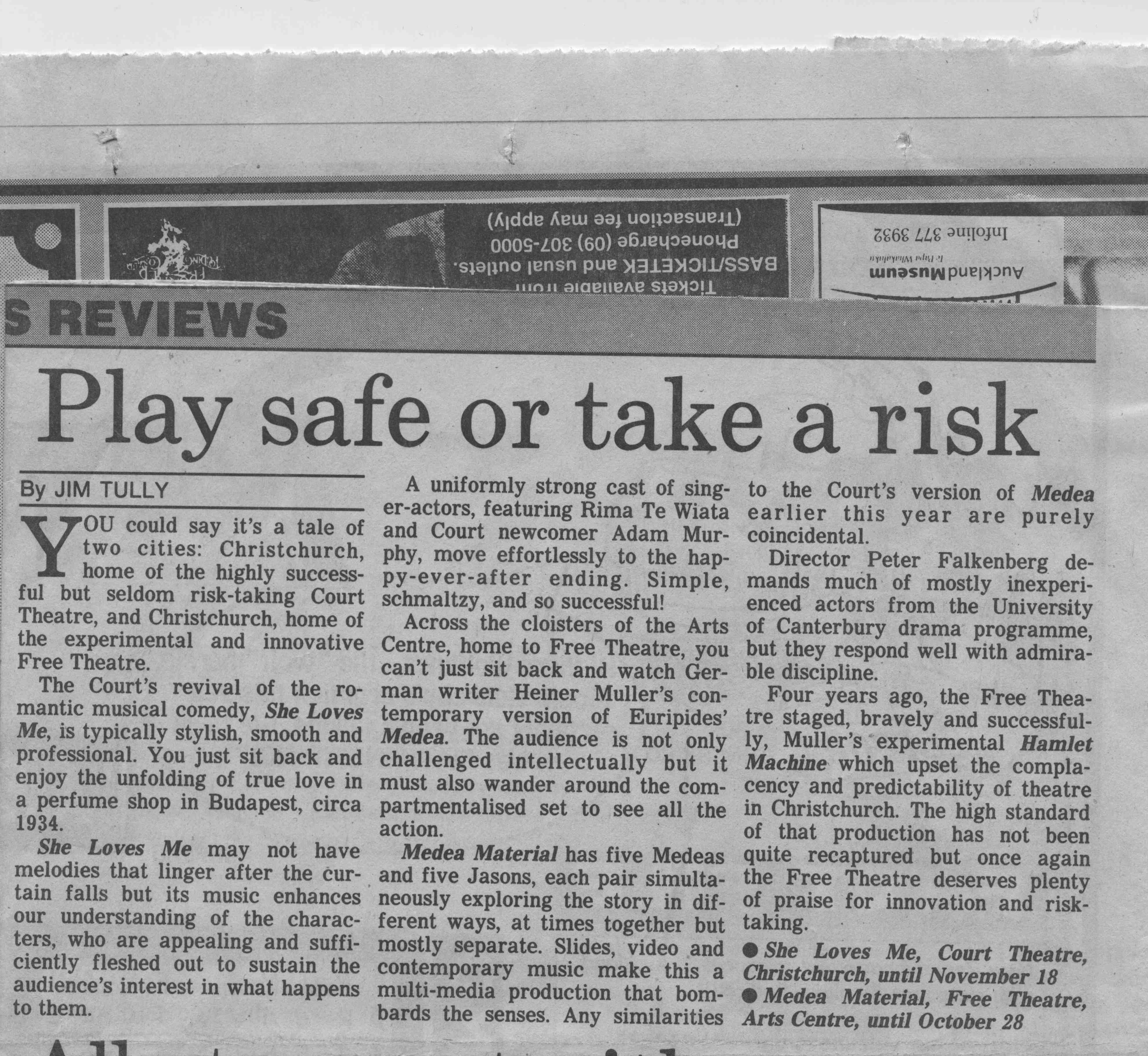
"It bears as much relationship to what passes for theatre here as chess does to snakes and ladders."
Imogen de la Bere, The Press
|
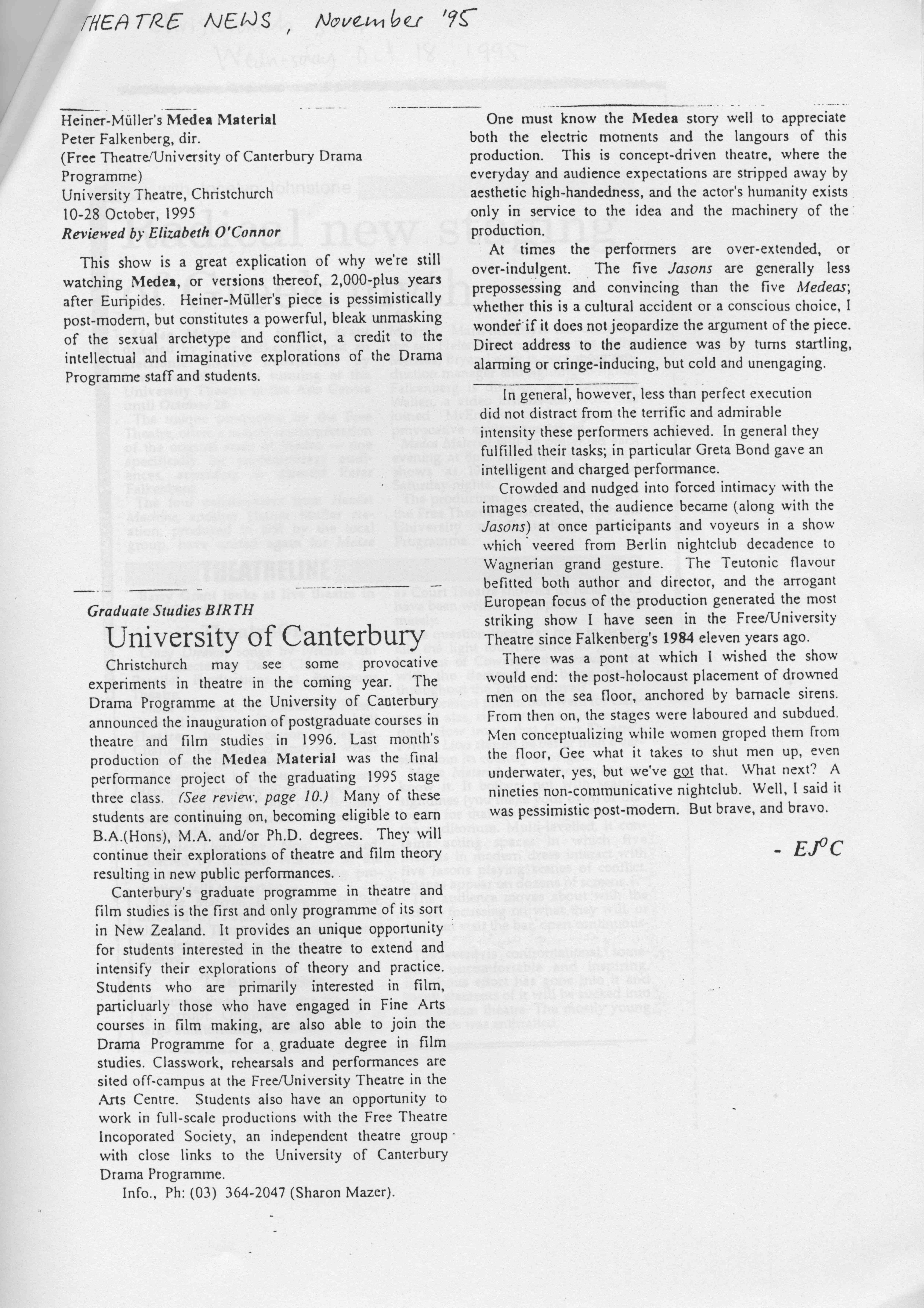
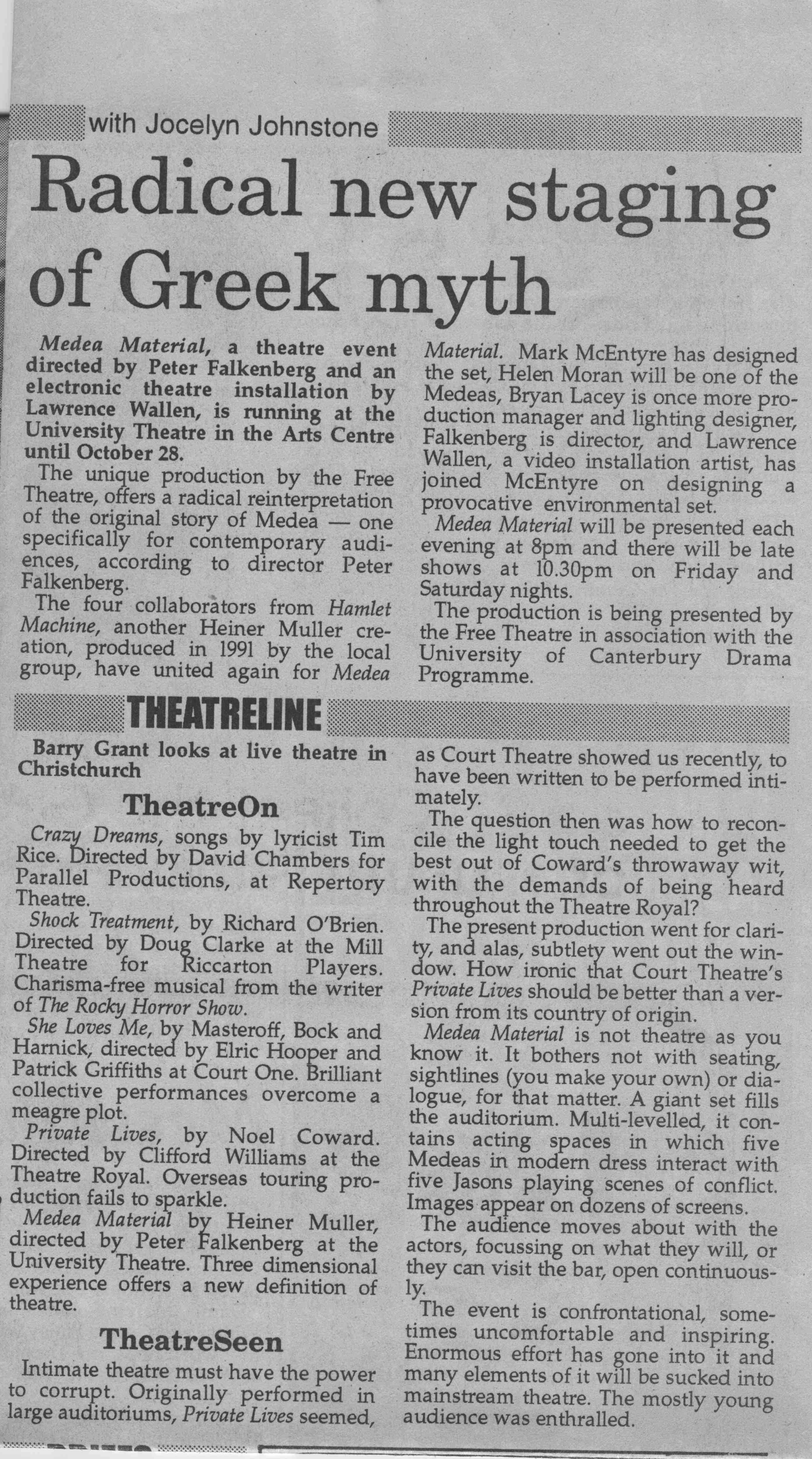
Four years ago FREE THEATRE's production of Heiner Muller's HAMLETMACHINE was a great audience success. Its provocative combination of avant-garde experimentation and alternative theatre made it a theatrical highlight of 1991. Now FREE THEATRE again brings Heiner Muller's work to Christchurch. MEDEAMATERIAL is a daring theatrical re-interpretation of the MEDEAs of Euripides and Seneca, a postmodern collage that infuses the classics with the style and feeling of T.S. Eliot's WASTE LAND.
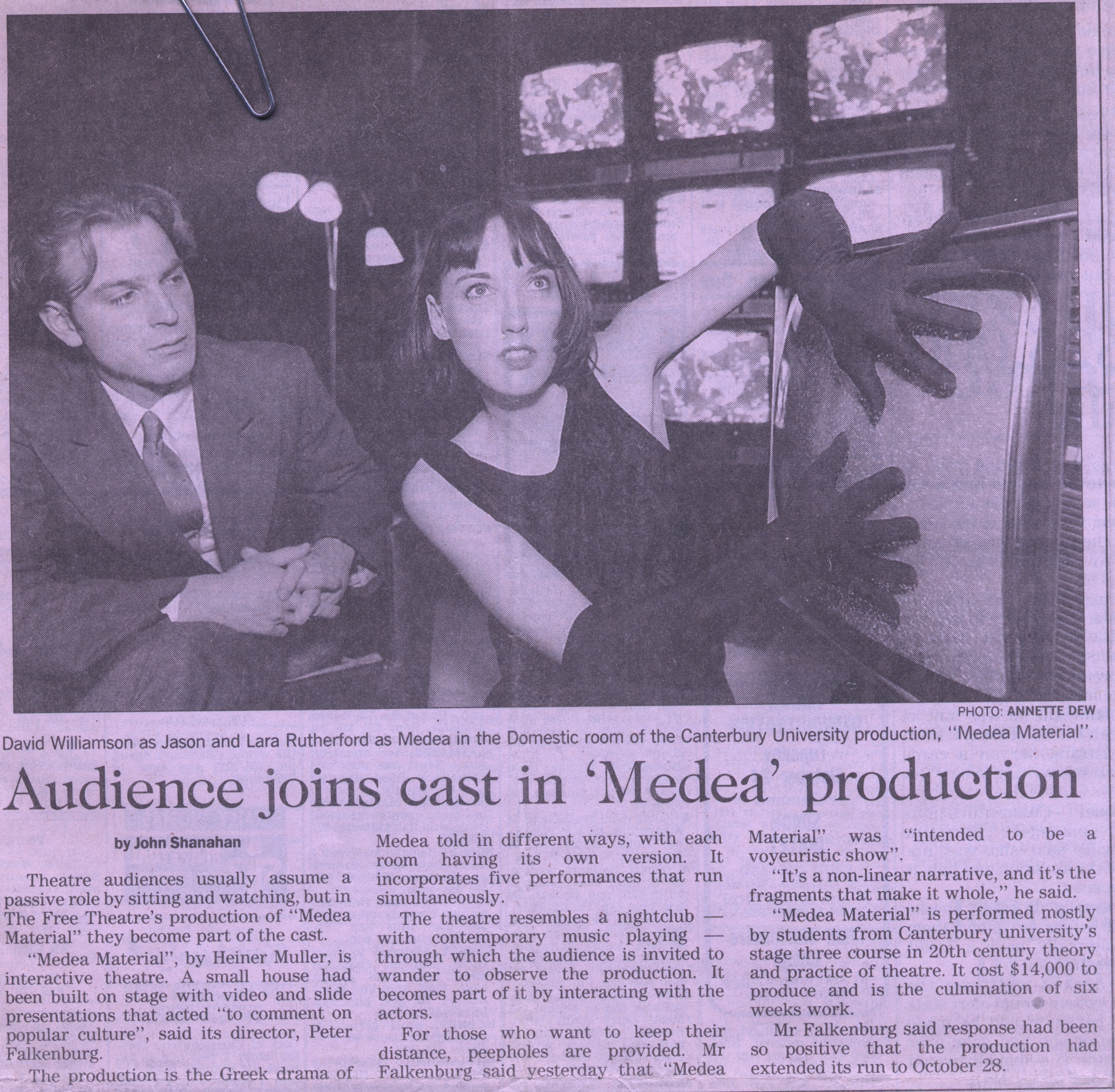
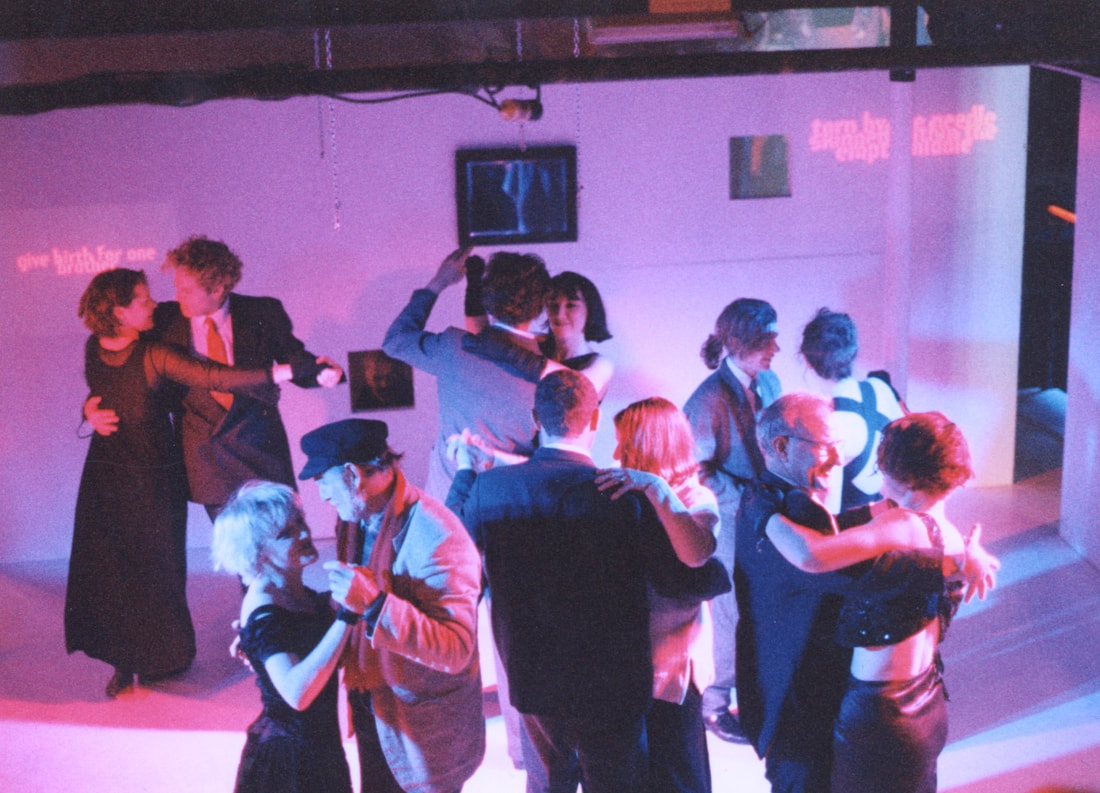
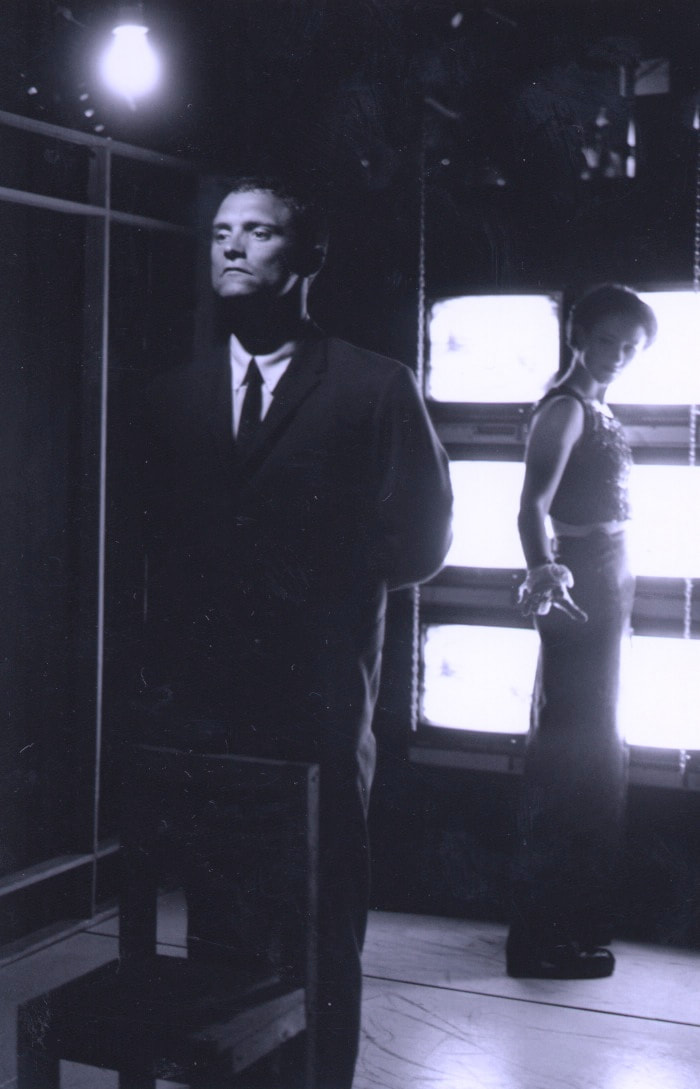
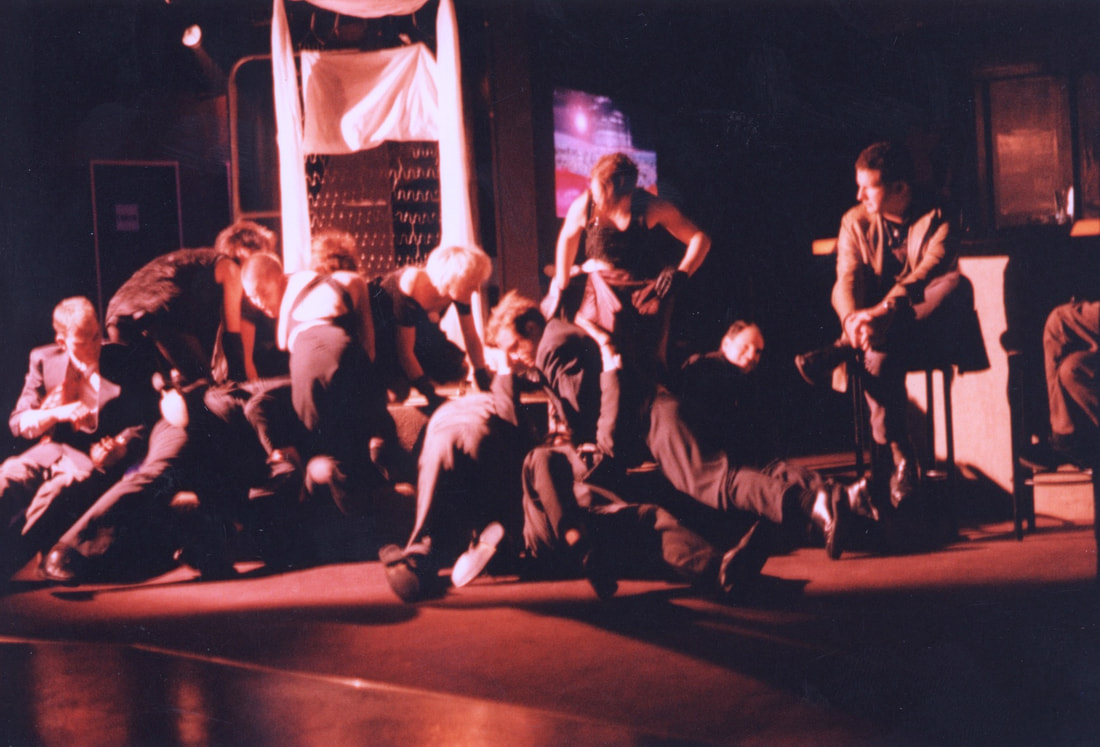
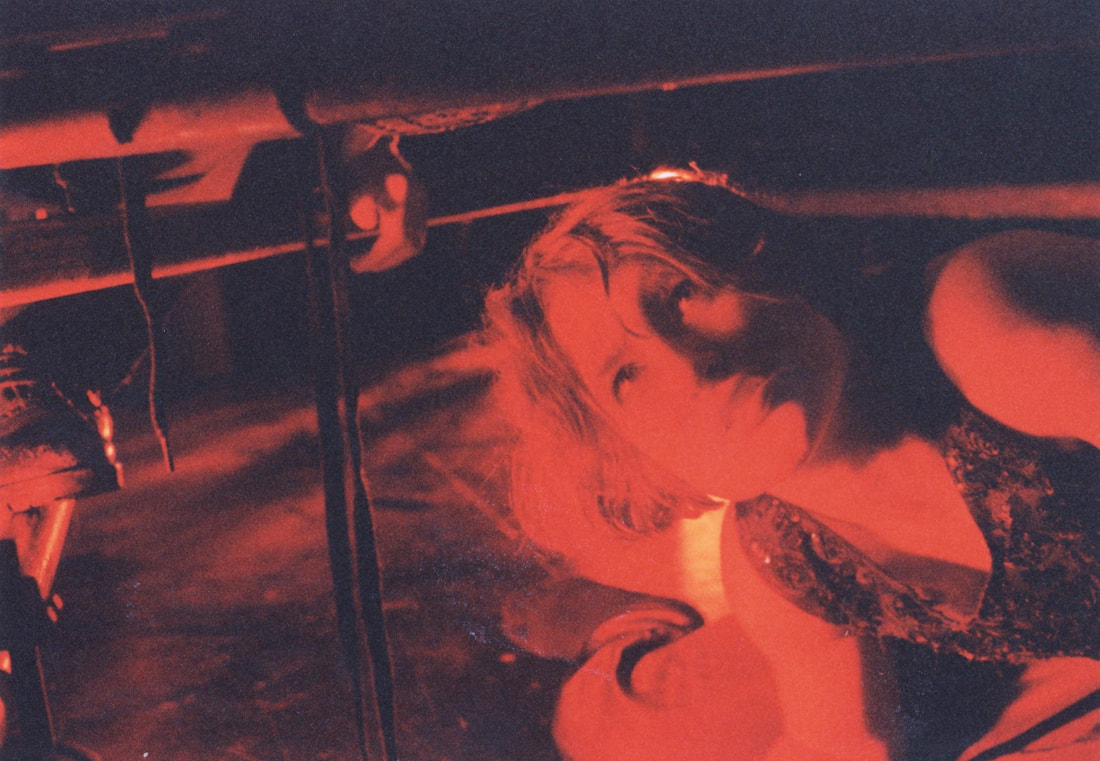
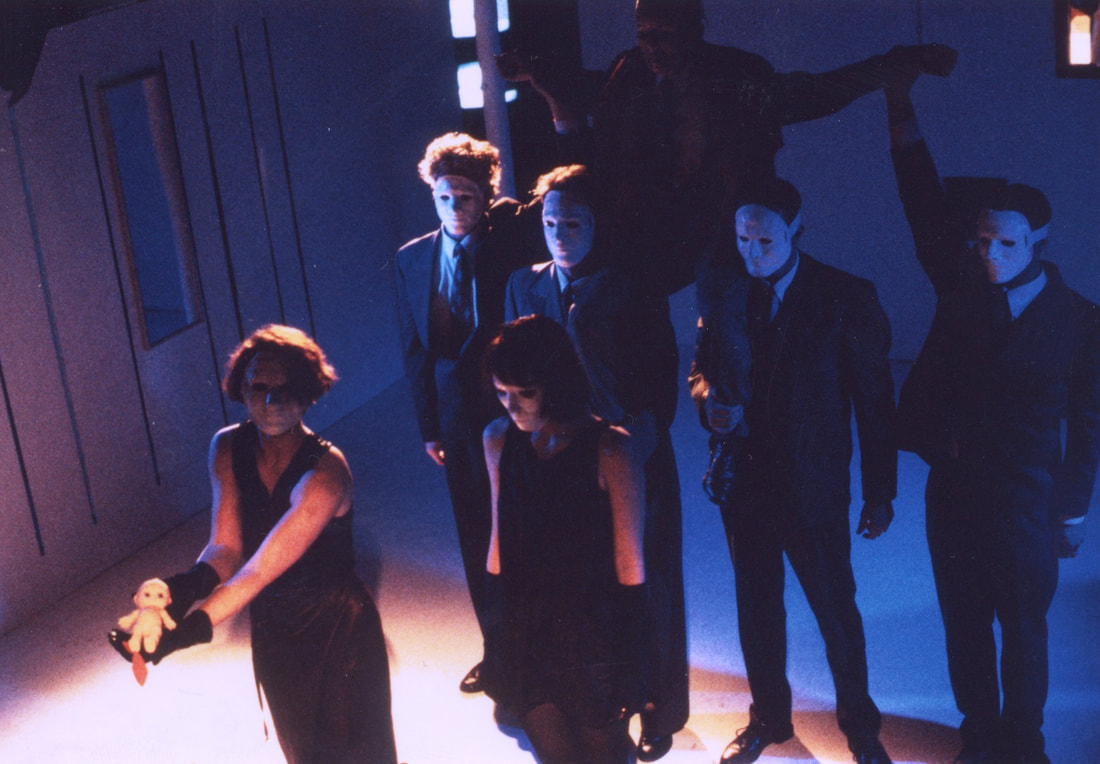
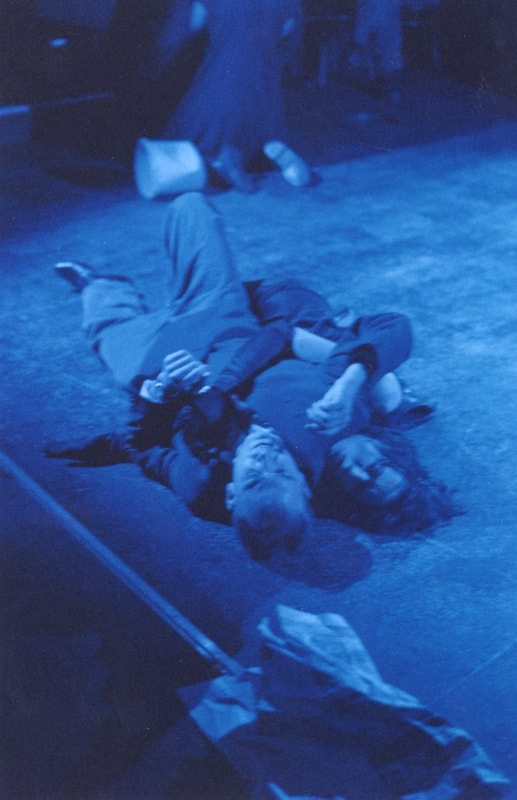
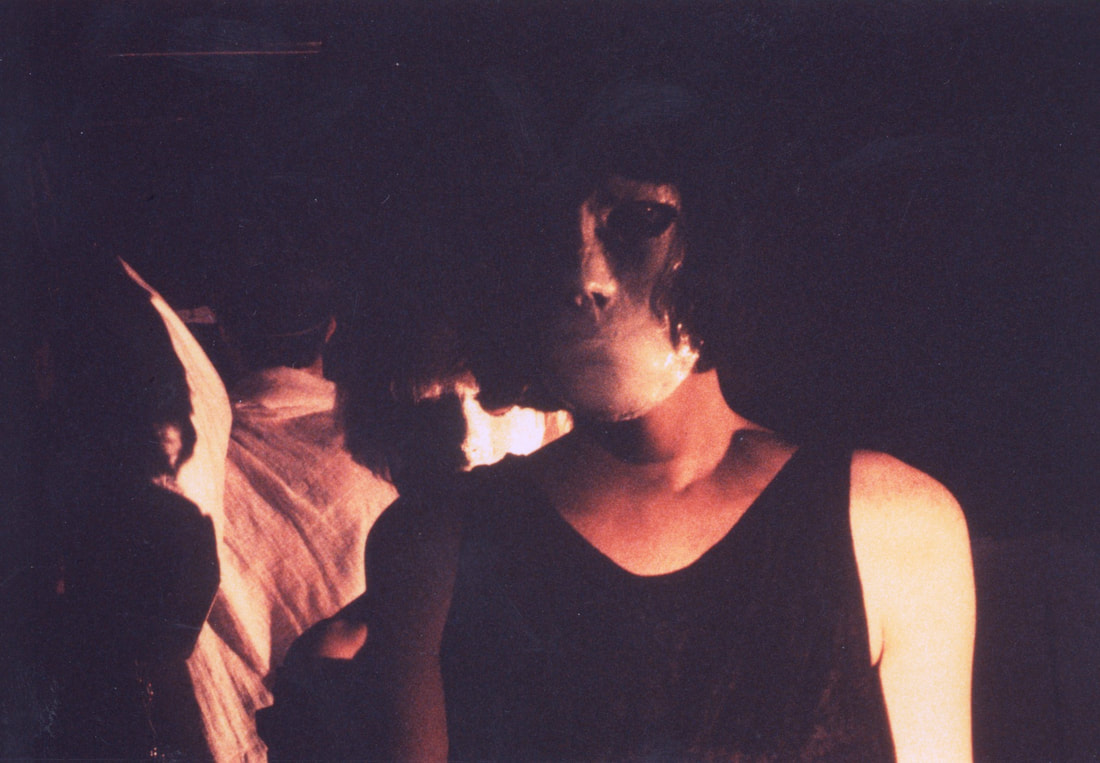
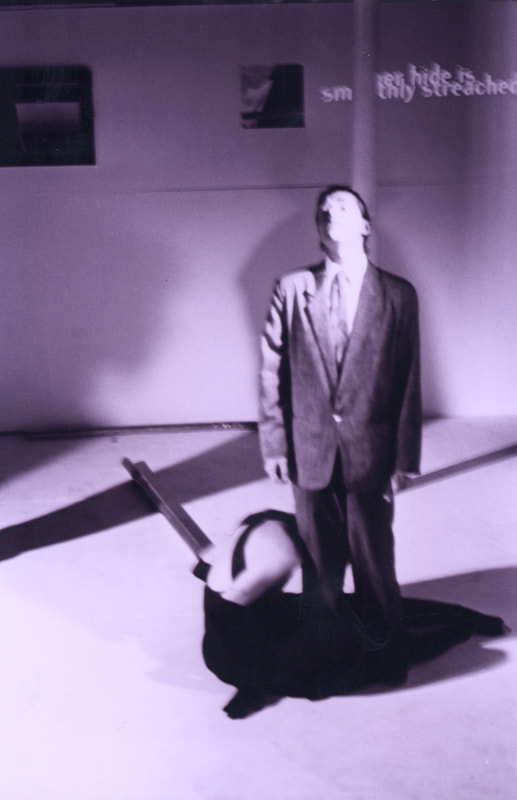
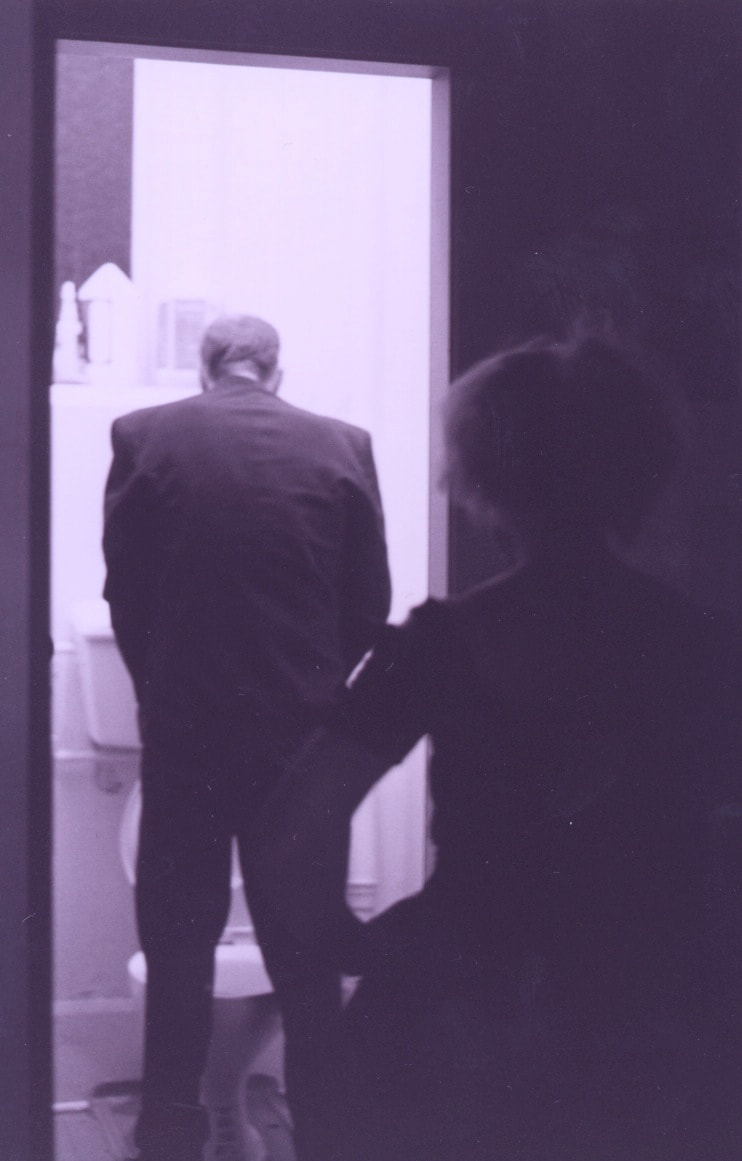
MEDEAMATERIAL reunites four collaborators from HAMLETMACHINE: Peter Falkenberg, who produced the 1991 production, directs MEDEAMATERIAL. Mark McEntyre, one of the Hamlets, has designed the set. Helen Moran, who played Ophelia/Elektra, will be one of the Medeas. And Bryan Lacey again acts as production manager and lighting designer. Lawrence Wallen, a video installation artist and long-time collaborator with FREE THEATRE, joins with Mark McEntyre in designing a provocative environmental set and is also incorporating aspects of electronic theatre into MEDEAMATERIAL. For his version of MEDEA, Muller has interwoven intensely condensed fragments of the Euripides and Seneca play texts with pieces of dreams, automatic writing and free associations of modern landscapes with mythical scenes. The resulting text, originally written over a period dating from the l950s to the 1980s, consists of three parts: DESPOILED SHORE, MEDEAMATERIAL, and LANDSCAPE WITH ARGONAUTS. The FREE THEATRE production has added Muller's MEDEA PLAY, a mime, to this trilogy. Audiences who remember this year's production of Euripides' MEDEA at the Court Theatre may very well be interested to see a completely different attempt to modernise the familiar myth. As in HAMLETMACHINE, MUller has not simply adapted the older play for contemporary audiences; rather he has radically re- interpreted the original story for the end of the 20th century. Muller reads the story of Jason and Medea as the earliest myth of colonisation in Greek legend. He says: "The end signifies the threshold where myth turns into history: Jason is slain by his boat... European history began with colonisation... That the vehicle of colonisation strikes the coloniser dead anticipates the end of it. That's the threat of the end we're facing, the 'end of growth'." The beginning of European 'civilisation' may also be seen as marked by the colonisation of woman. Medea is the matriarch, a barbarian and sorceress, a specialist in love potions and poisons. She represents the male fear of Woman. She denies him his status as father by killing his male offspring. In rejecting the role of the mother as the agent of the perpetual reproduction of the existing order, Medea re-defines herself as negation: "I / No woman and no man." For Muller, the dominant male order is ultimately self-destructive. Medea as the woman who tears apart the foundation of Western civilisation, paradoxically, represents a hope for our survival in the future. In MEDEAMATERIAL Muller provides a theatrical text that, like its subject, transgresses the patriarchal values of rationality and order. It remains 'material' which is not yet 'colonised.' The FREE THEATRE presents MEDEAMATERIAL as a theatrical landscape, resembling a night club with a bar and contemporary music to dance to, and with additional peep show attractions. 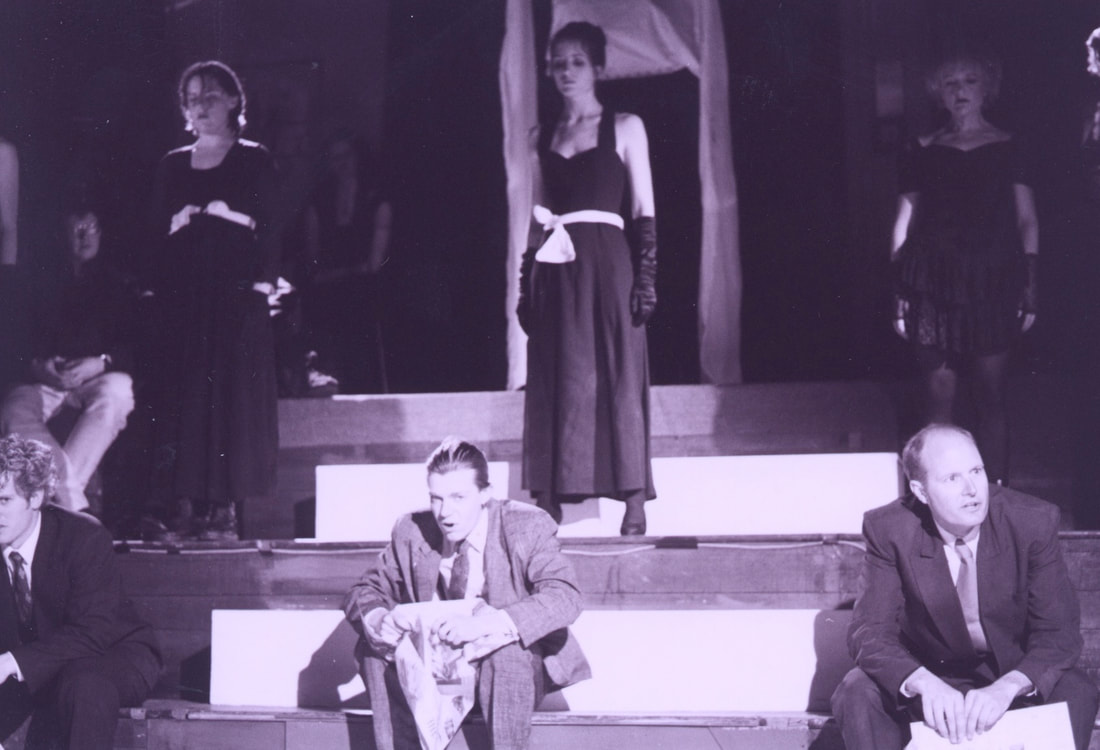
|
|
|
|